
Technology
Granulation
Turn fine powders into free-flowing, tablet-ready granules
How it works
Wet, dry or fluid bed routes agglomerate fine powders into uniform granules, improving flow, reducing dust and preparing the material for tableting or filling. Pilot scale allows different routes to be compared on small amounts and the key parameters to be fixed.
- Transformation
- Powder → Granules
- Typical feed
- Powders, pharmaceutical and food blends
- Typical output
- Uniform granules
- Scale
- Pilot
Key advantages
- 01
Better flowability and compressibility
- 02
Less dust and segregation after blending
- 03
Wet, dry and fluid bed routes can be compared
- 04
Provides end-point and parameter data for scale-up
Granulation equipment5
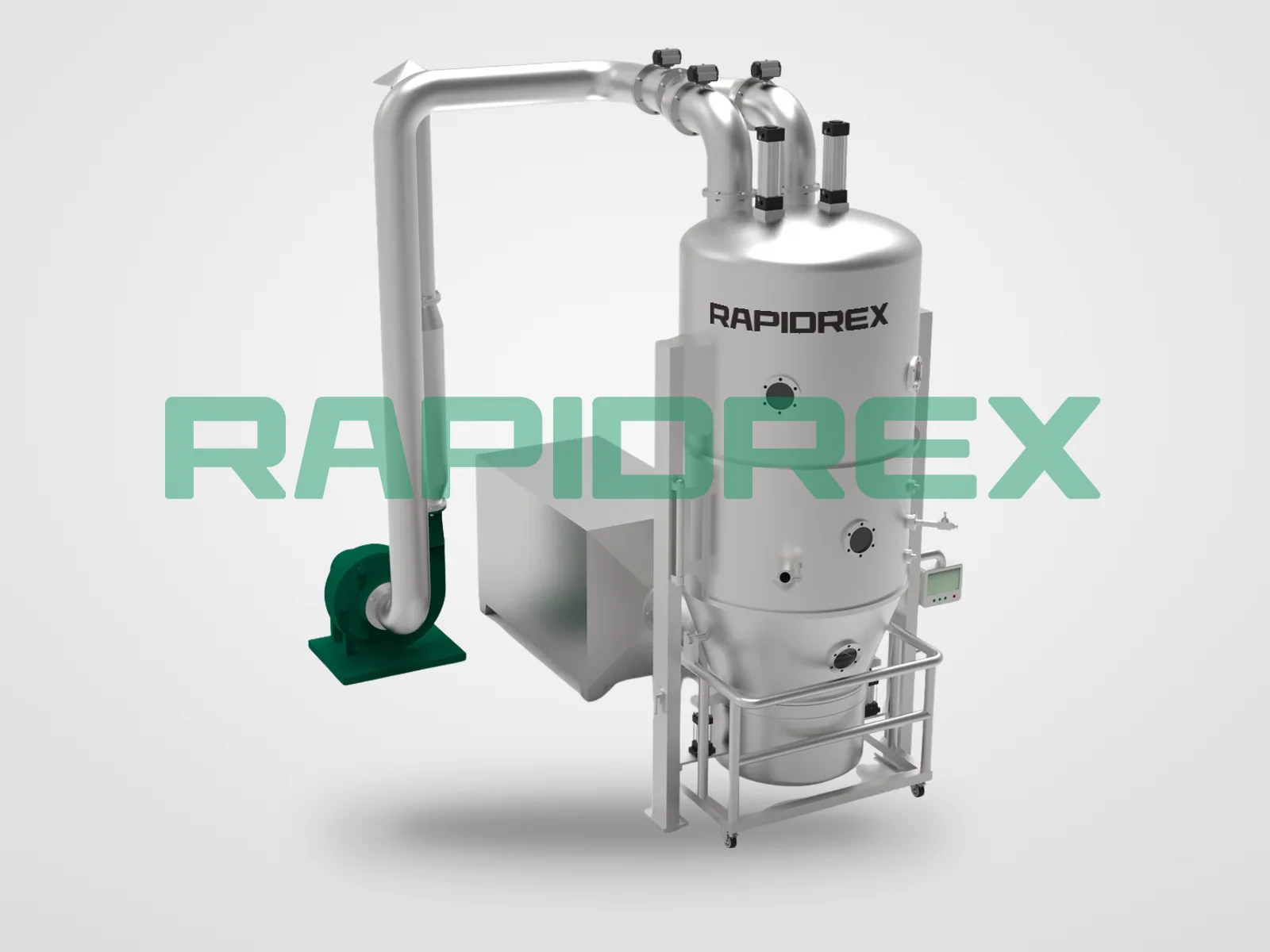
Granulation · Pilot scale
Pilot Fluidized Bed Granulator
Powder is fluidized and binder sprayed on to form granules, combining granulation and drying in one unit.
Learn more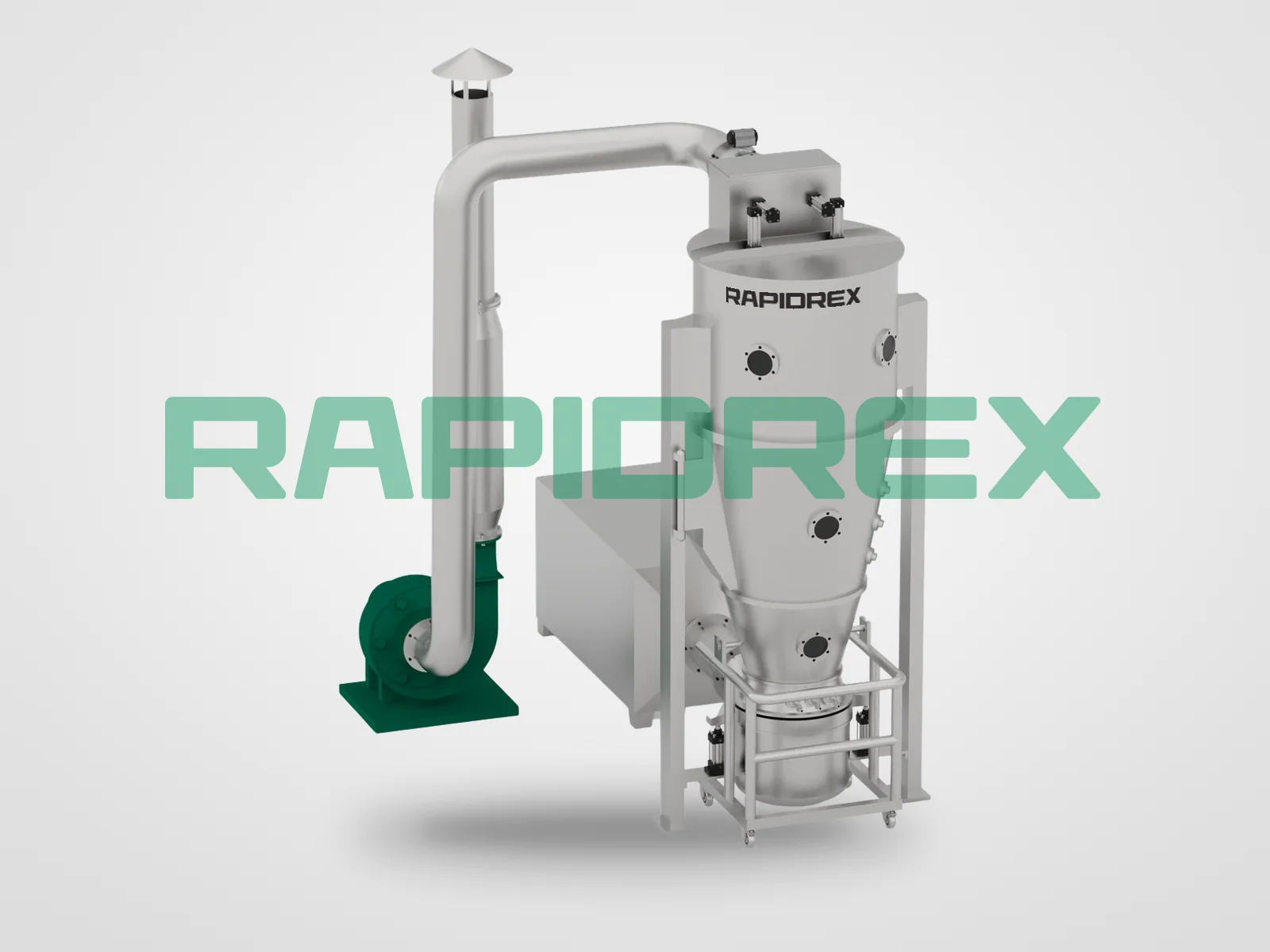
Granulation · Pilot scale
Pilot Wurster Fluidized Bed Granulation Coater
Bottom-spray fluid bed in which particles fluidize while coating liquid is sprayed on, for coating and granulation trials.
Learn more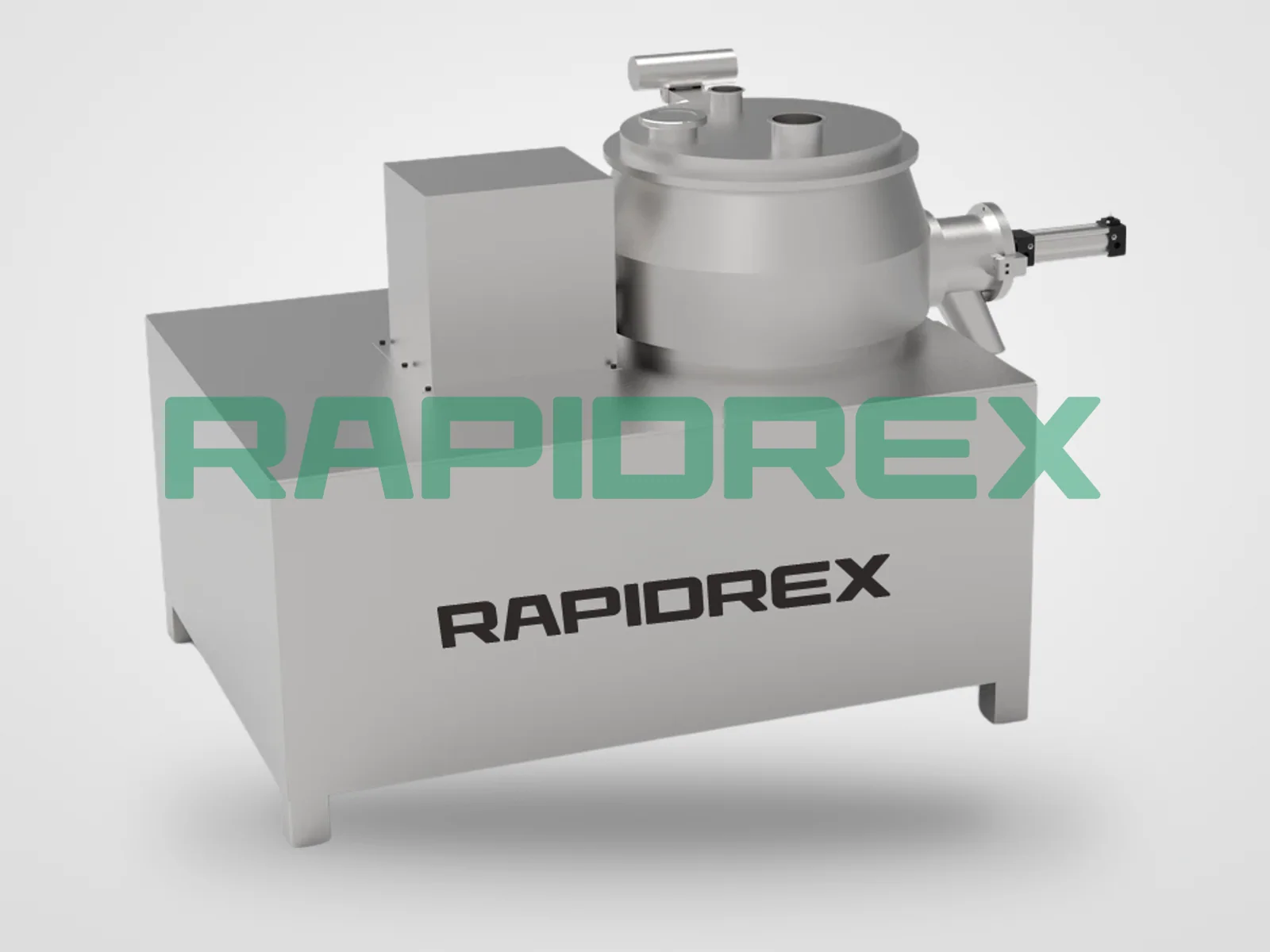
Granulation · Pilot scale
Pilot Wet Rapid Mixing Granulator
High-speed impeller and chopper with binder addition produce wet granules, a common route for solid dosage forms.
Learn more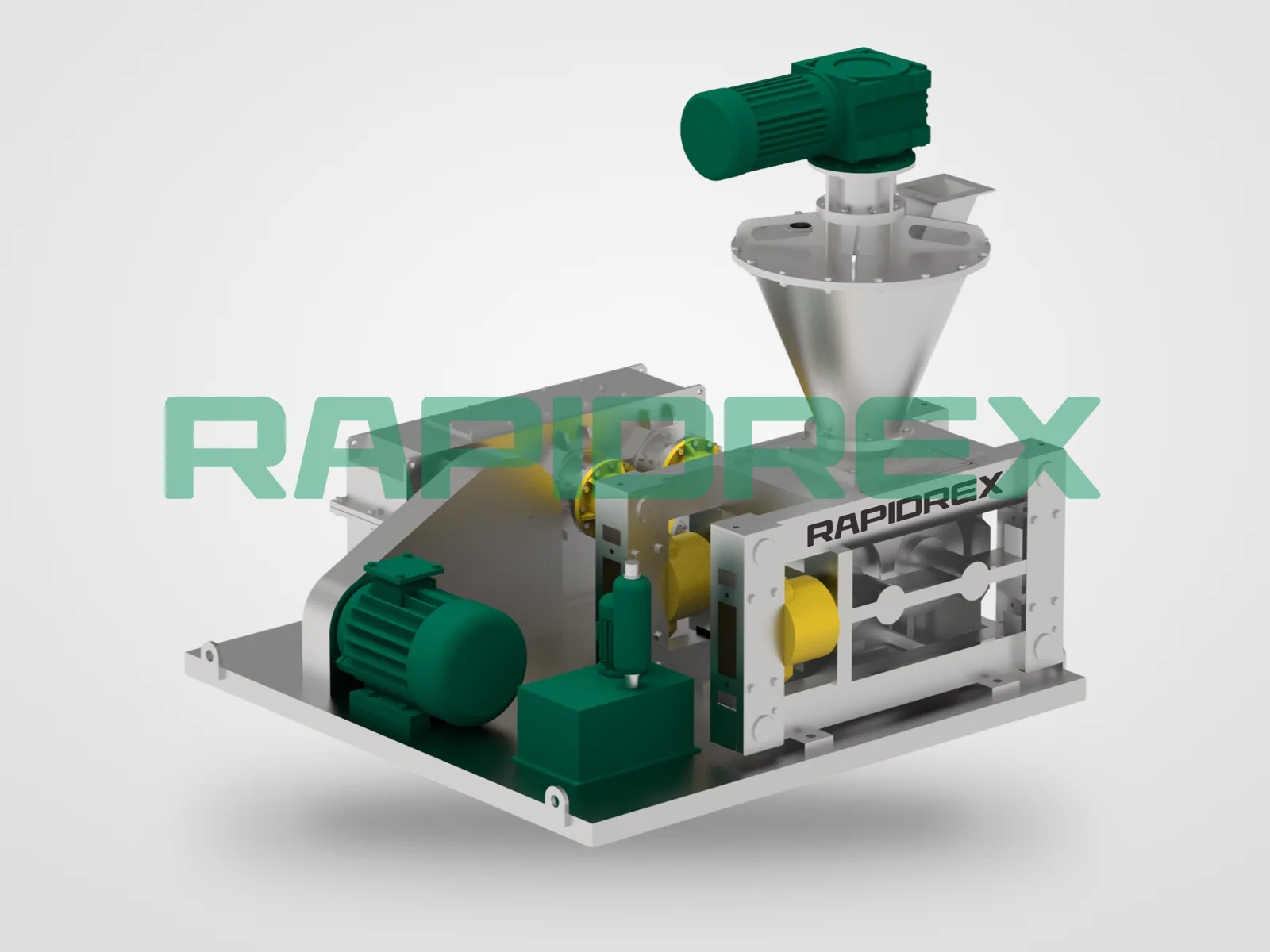
Granulation · Pilot scale
Pilot Dry Compression Granulator
Powder is compacted between rollers into ribbons, then milled to granules without liquid binder, suited to heat- or moisture-sensitive materials.
Learn more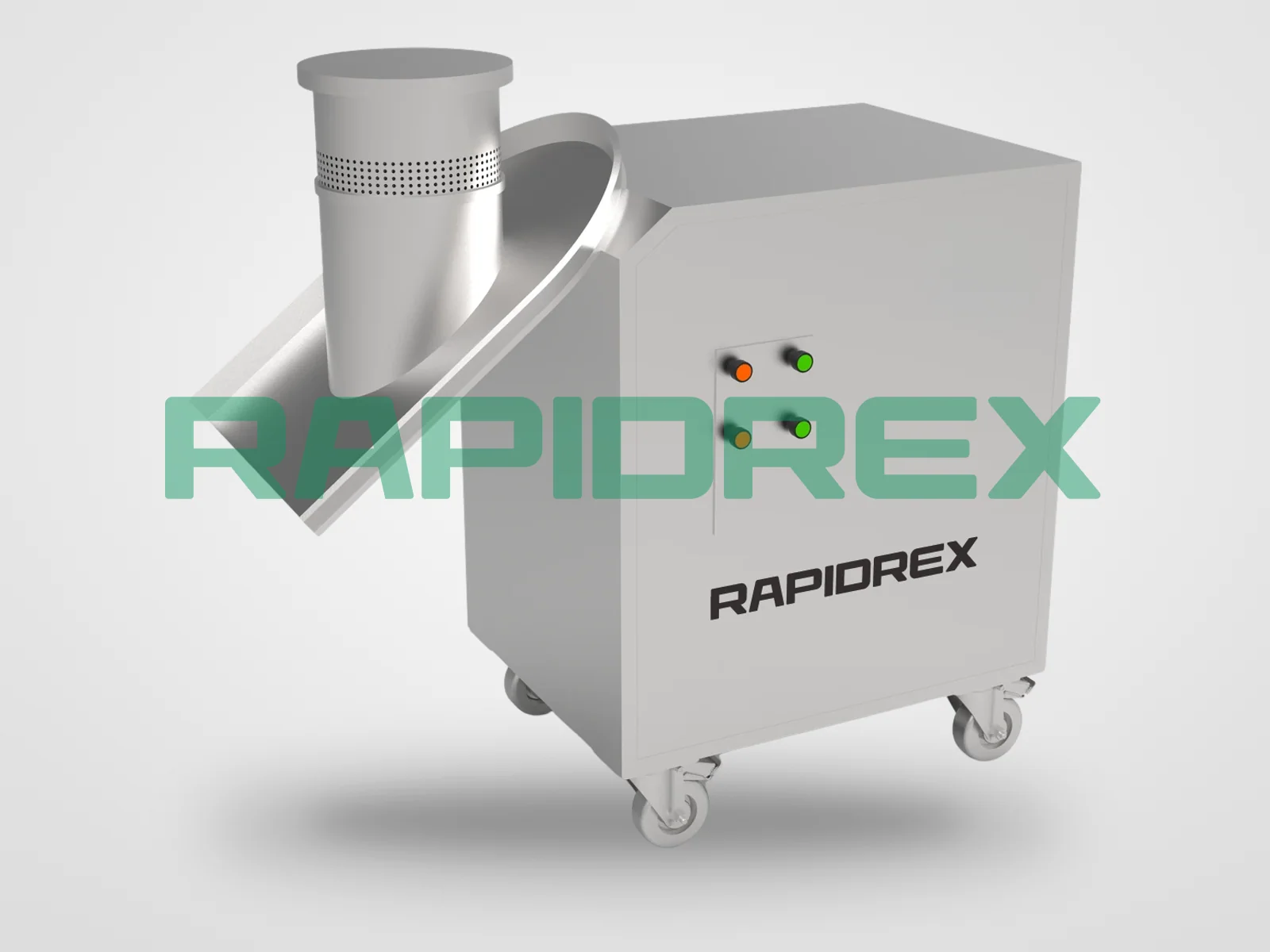
Granulation · Pilot scale
Pilot Basket Granulator
Wet mass is pressed through a screen by a rotating action to form uniform granules.
Learn moreTypical application fields
Talk to an engineer about your material and process
Tell us about your material and goal. We help with selection and can arrange a sample trial.